The Anvil Hornet
The Hornet is one of the defining fighter families of Star Citizen. Built by Anvil Aerospace, the F7A is associated with the United Empire of Earth Navy and its carrier-based squadrons. Its compact cockpit, armed central hull and angular wings give it the appearance of a dedicated combat spacecraft. The Hornet is designed around the pilot and the demands of a fighter mission, with the equipment needed to defend other ships or engage an approaching threat.
A long service history
The first F7A Hornet entered service in 2806, replacing the Aegis Avenger as a standard medium fighter for the UEE. Over the following generations, the Hornet became closely tied to the Navy’s image and to the experience of pilots flying from military carriers. Its service history stretches across a period of changing spacecraft and changing threats, giving the family a sense of continuity within the setting.
A carrier fighter is part of a larger operation. The ship can launch from a vessel that provides a base for the squadron, then return to that carrier after completing its assignment. Hornets have been associated with patrol, interception, escort and strike work. Each mission places the same basic fighter in a different relationship with the ships and people around it, whether protecting a formation or responding to a threat ahead of the fleet.
The F7A designation identifies the military branch of the Hornet family. Anvil also developed F7C civilian models, adapting the design for pilots outside the armed forces. The relationship between the two illustrates a recurring feature of Star Citizen’s setting: military technology has a public history, but a civilian craft and a service fighter can differ in the equipment fitted to them and the missions for which they are intended.
A fighter built for its pilot
The Hornet’s shape expresses its role. The cockpit sits near the front of a substantial central body, with the wings extending out from the hull. Weapons and mounts give the craft its combat character, while the center of the ship provides the visual mass that distinguishes a Hornet from a more delicate light fighter. Its proportions make it recognizable even before the details of a particular version become clear.
For a pilot in the UEE Navy, the Hornet represents more than a machine viewed in isolation. It belongs to the routines of a squadron: preparation before launch, coordination with other pilots and a return to the ship or base supporting the mission. That context is part of its place in the universe, connecting the fighter to the larger fleet and to the people who keep it operating.
The Hornet family also spans different generations. The original Mk I and later Mk II preserve the recognizable identity of an Anvil fighter while presenting different airframes. Viewing both makes it possible to follow that lineage through changes in the cockpit, wing roots and hull. Each model in the workshop archive is presented separately, so the two generations can be studied on their own terms.
The fictional history of the Hornet is intertwined with the UEE’s defense and with the threats facing humanity beyond its settled worlds. Its role as a space-superiority fighter places it where fleet operations and individual flying meet. A carrier or larger warship may support the mission, but the pilot still experiences the encounter from the cockpit of a single fighter.
The second generation
The F7A Hornet Mk II is the later military airframe, introduced in 2944. It continues the carrier-fighter role with a revised hull and heavier armament. Its service became associated with events including the Battle of Vega, and the Mk II later gained civilian adaptations within the broader Hornet family. The F7A and F7C remain distinct branches, with the former carrying the military designation.
The workshop model
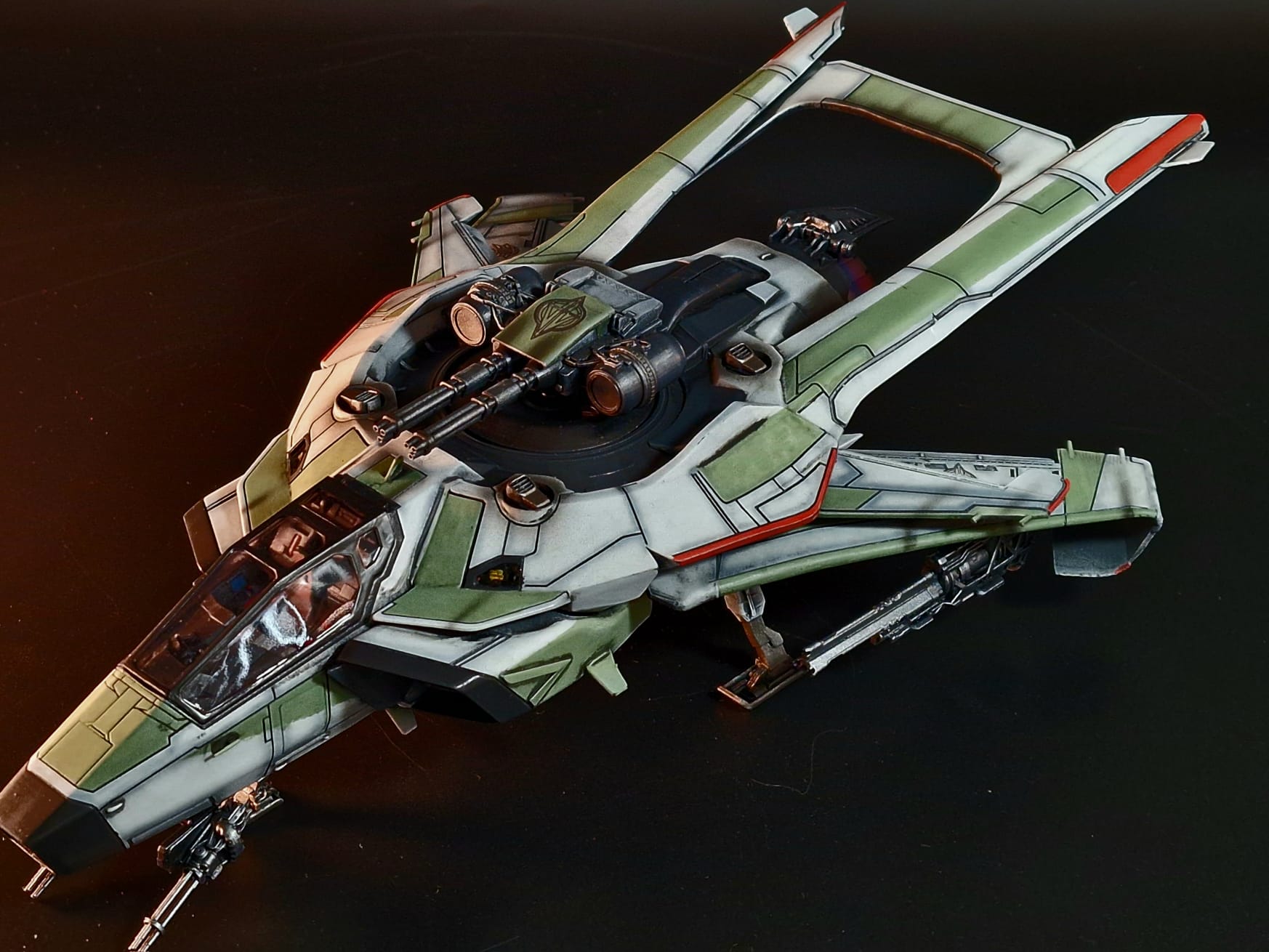
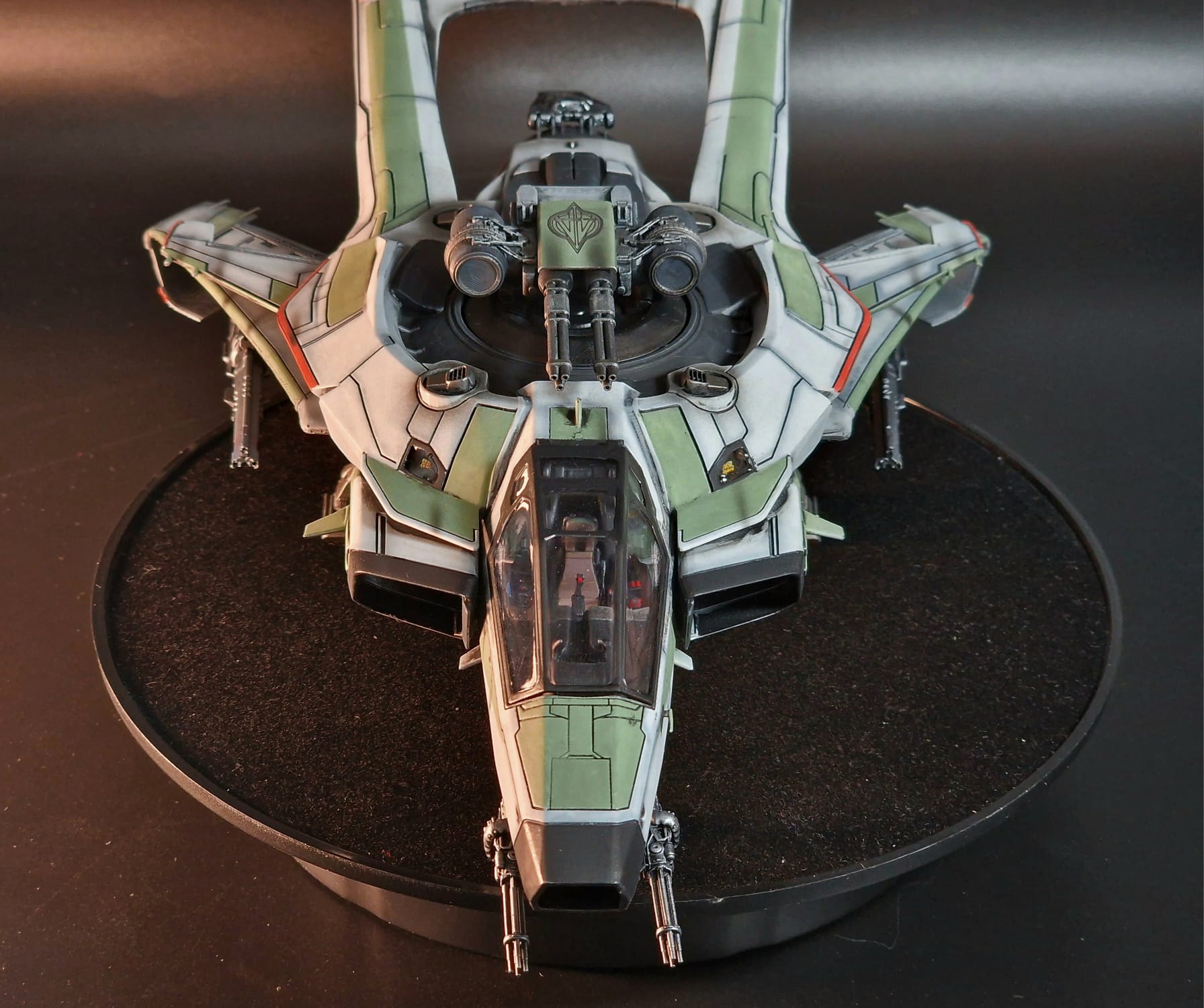
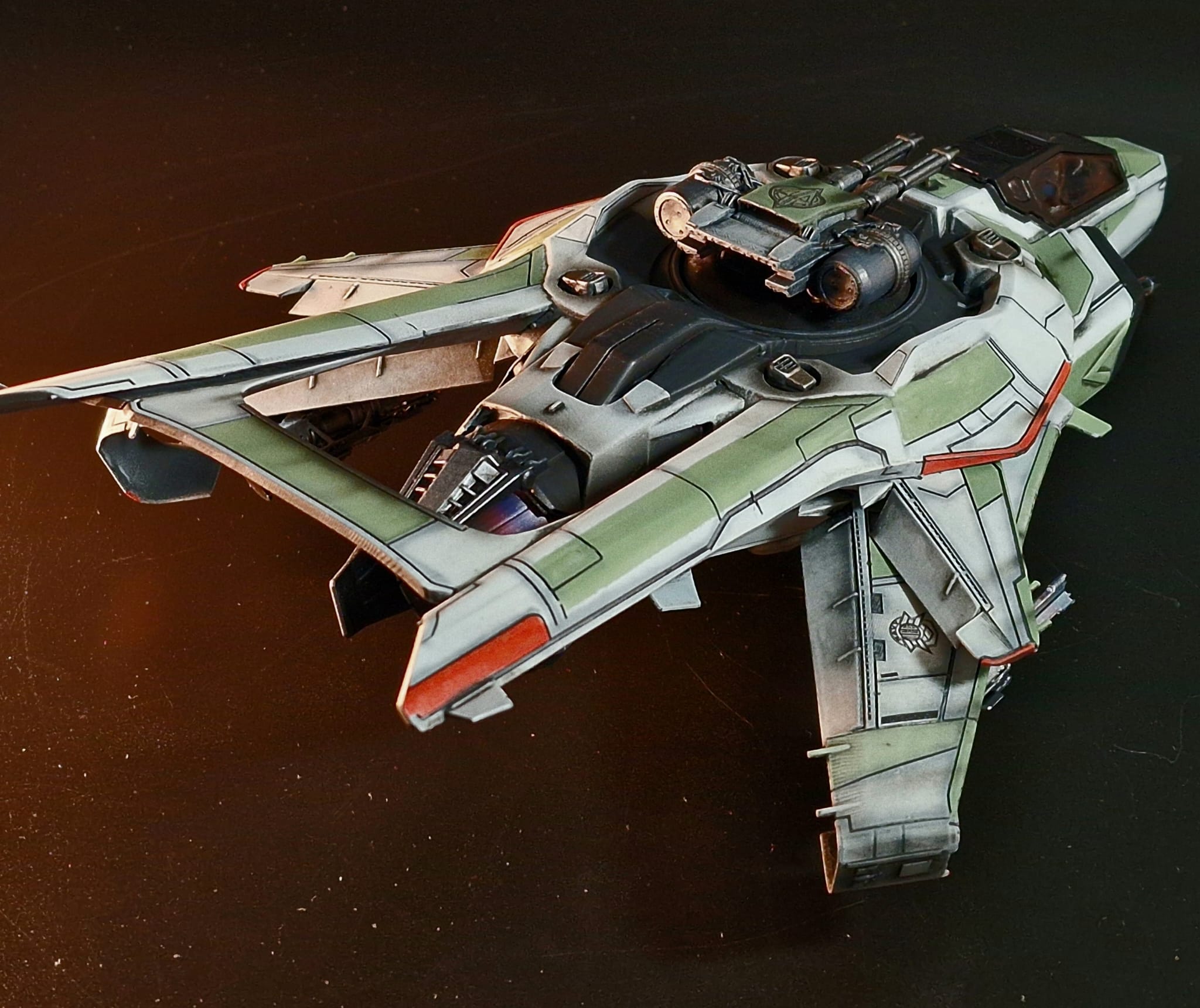
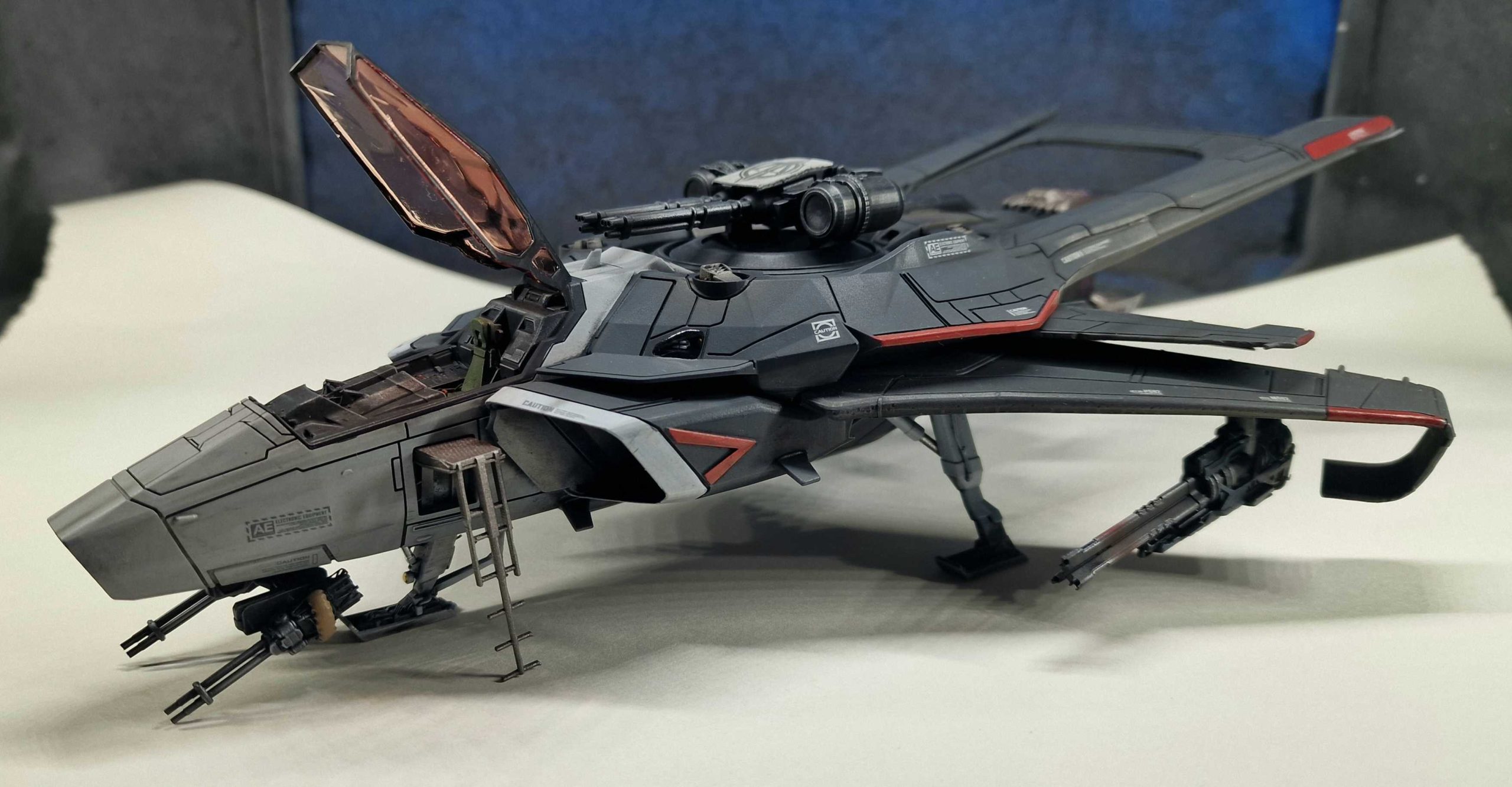
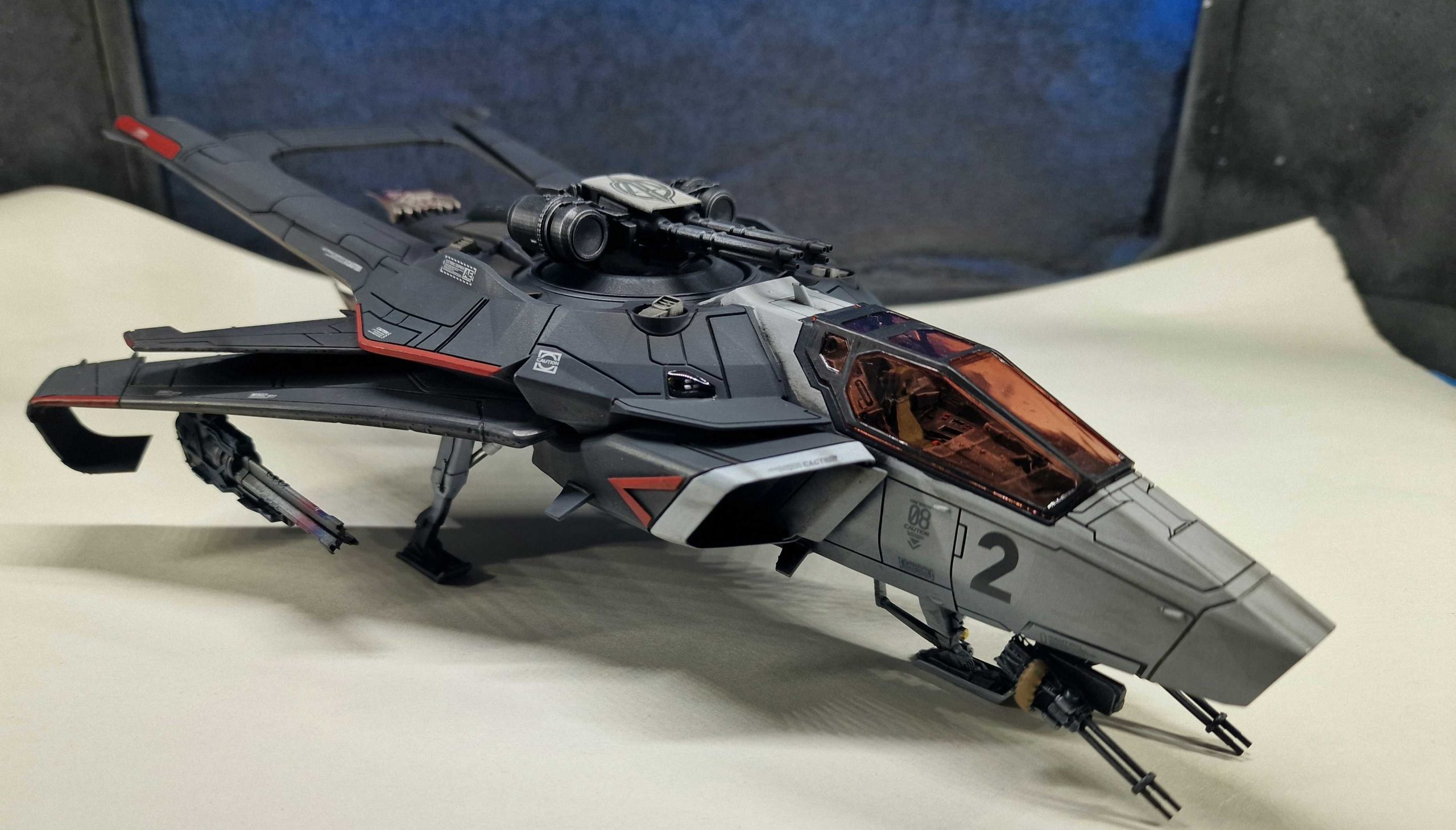
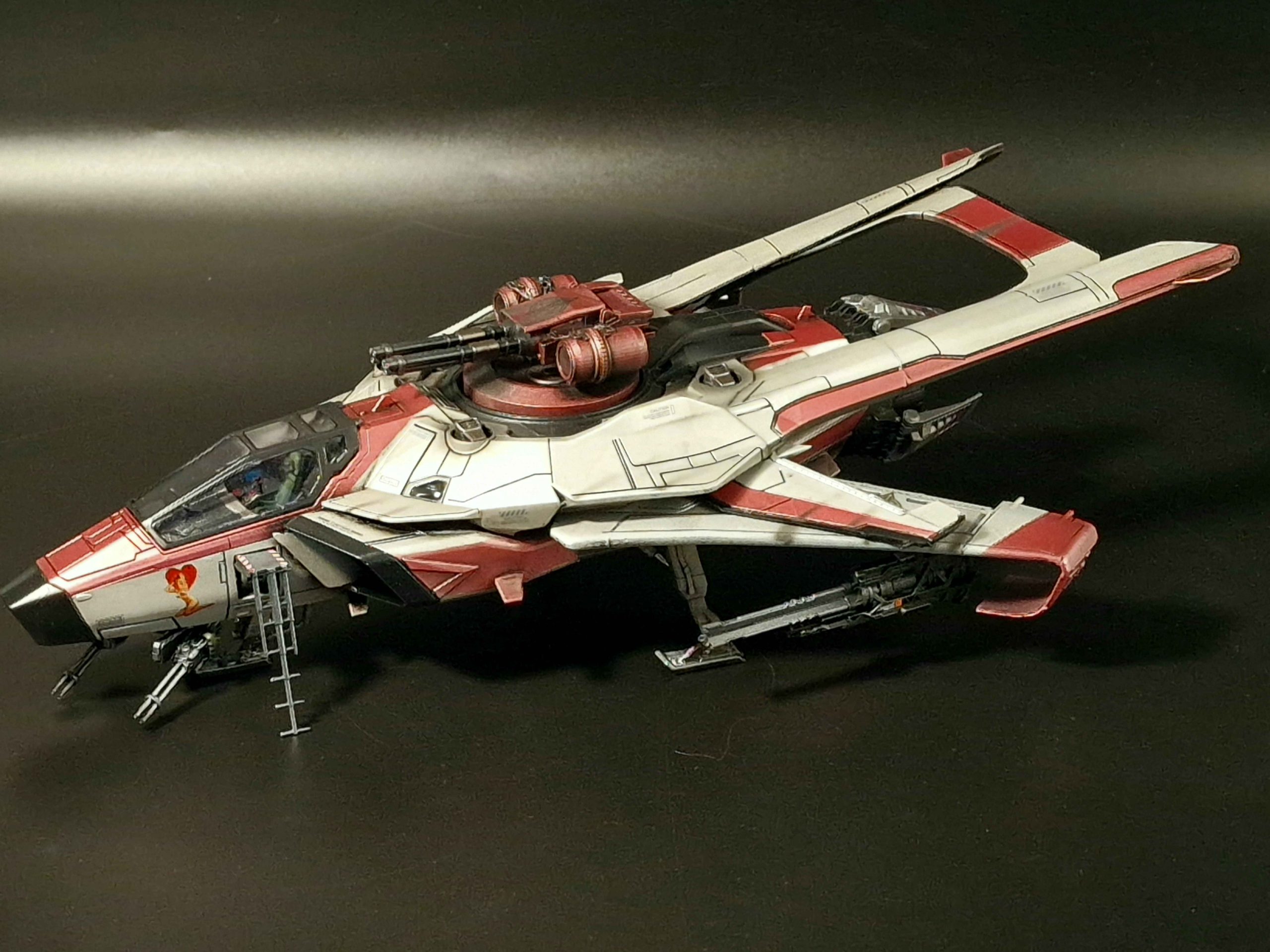
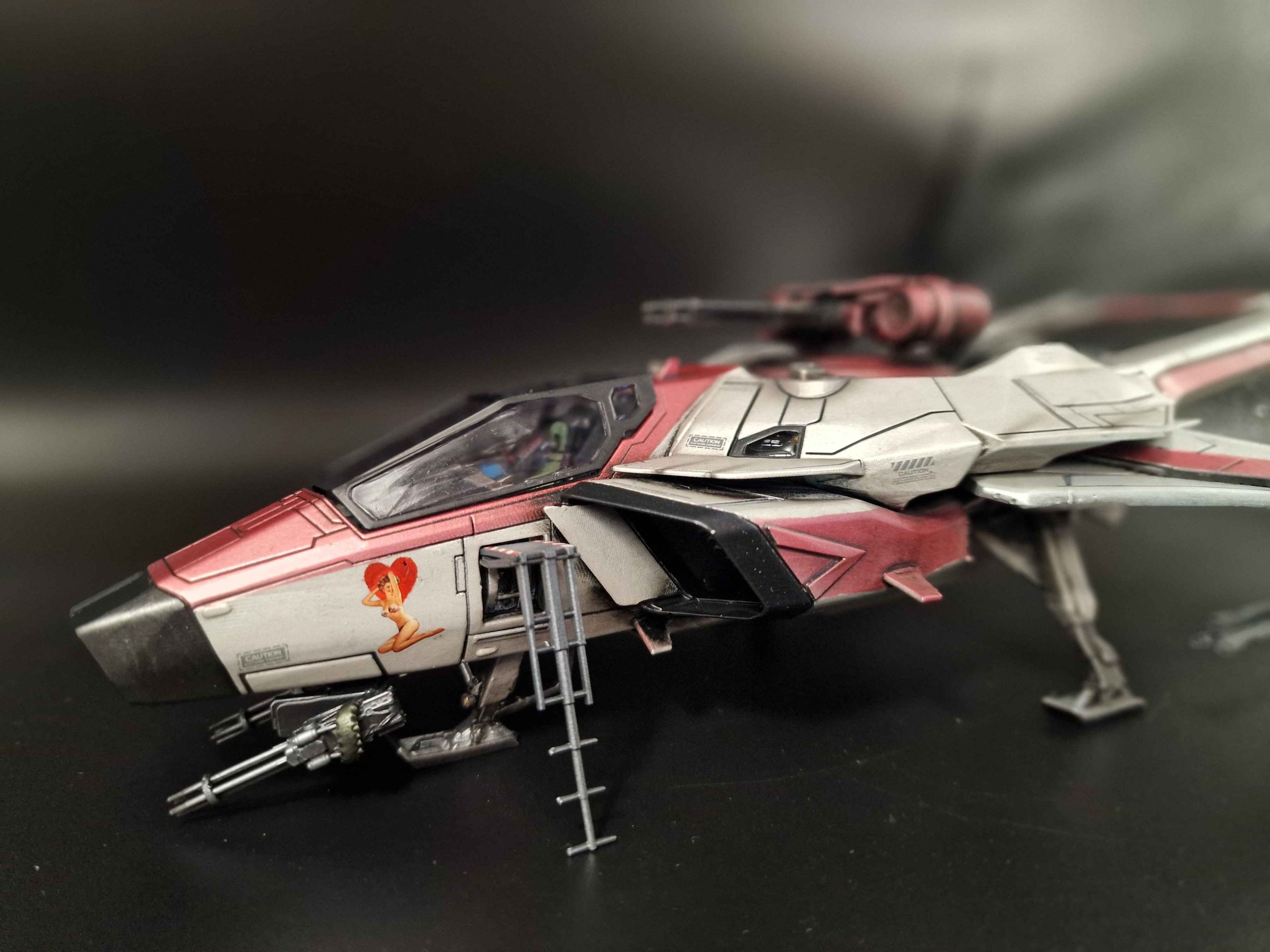
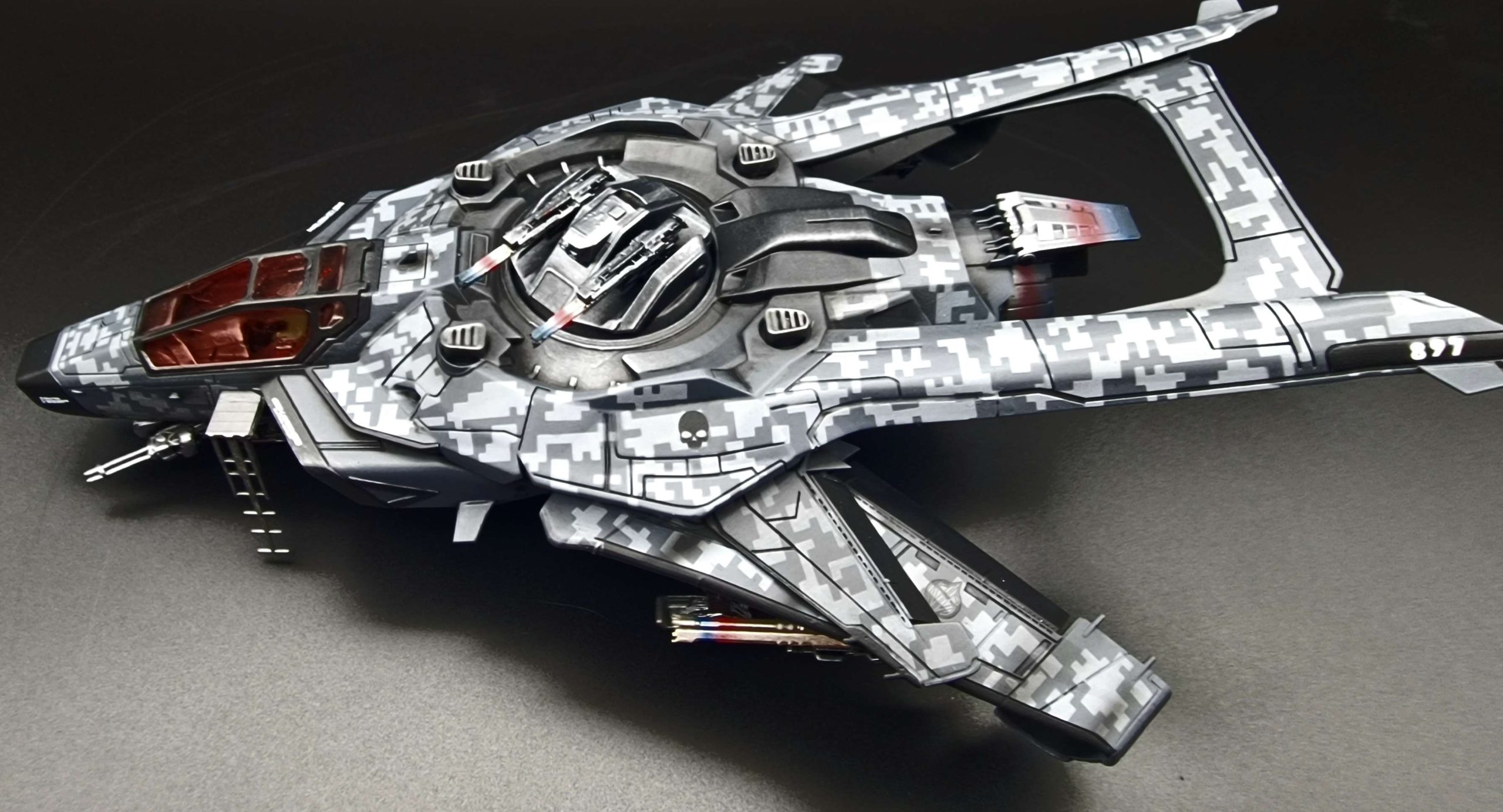
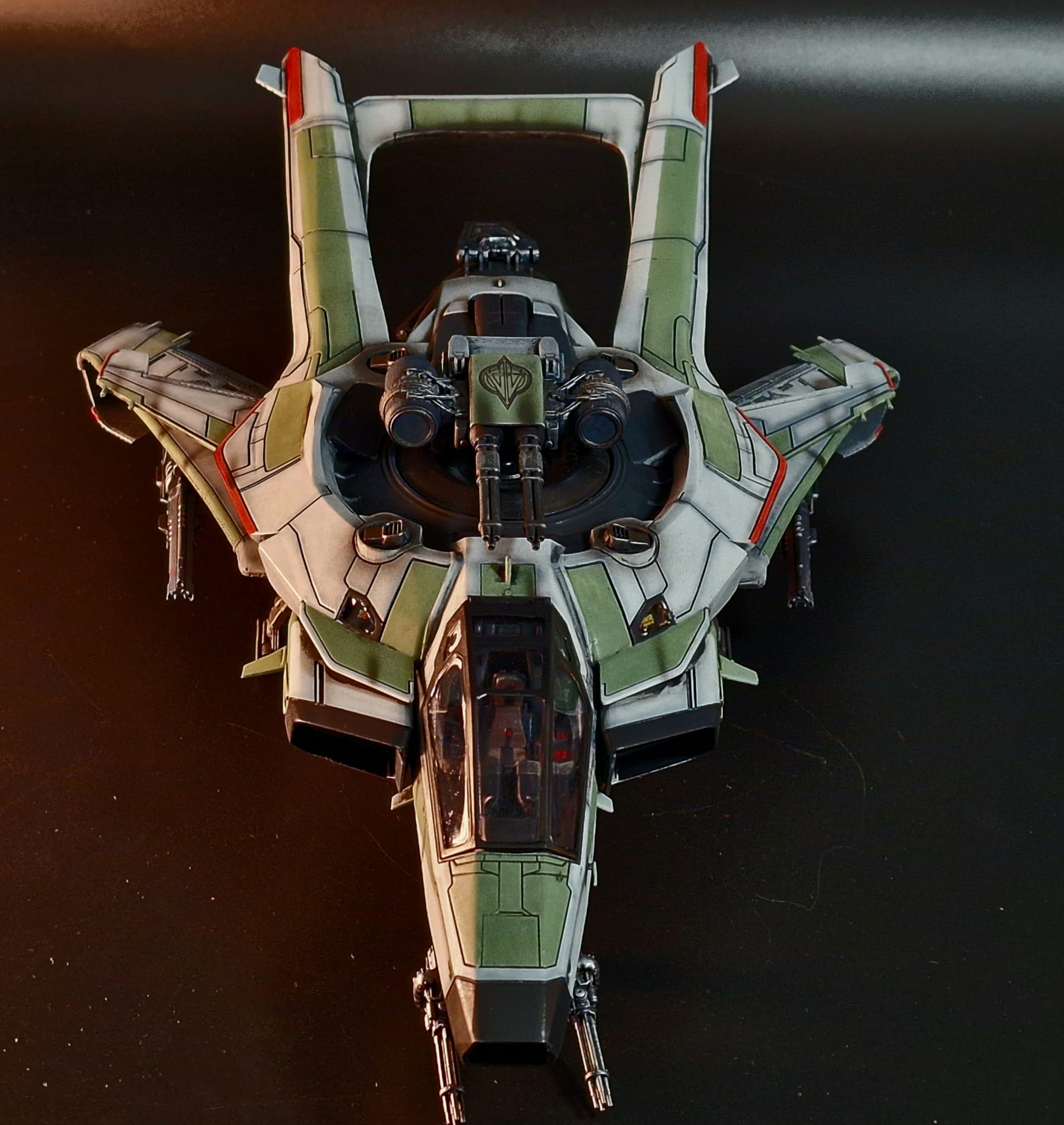
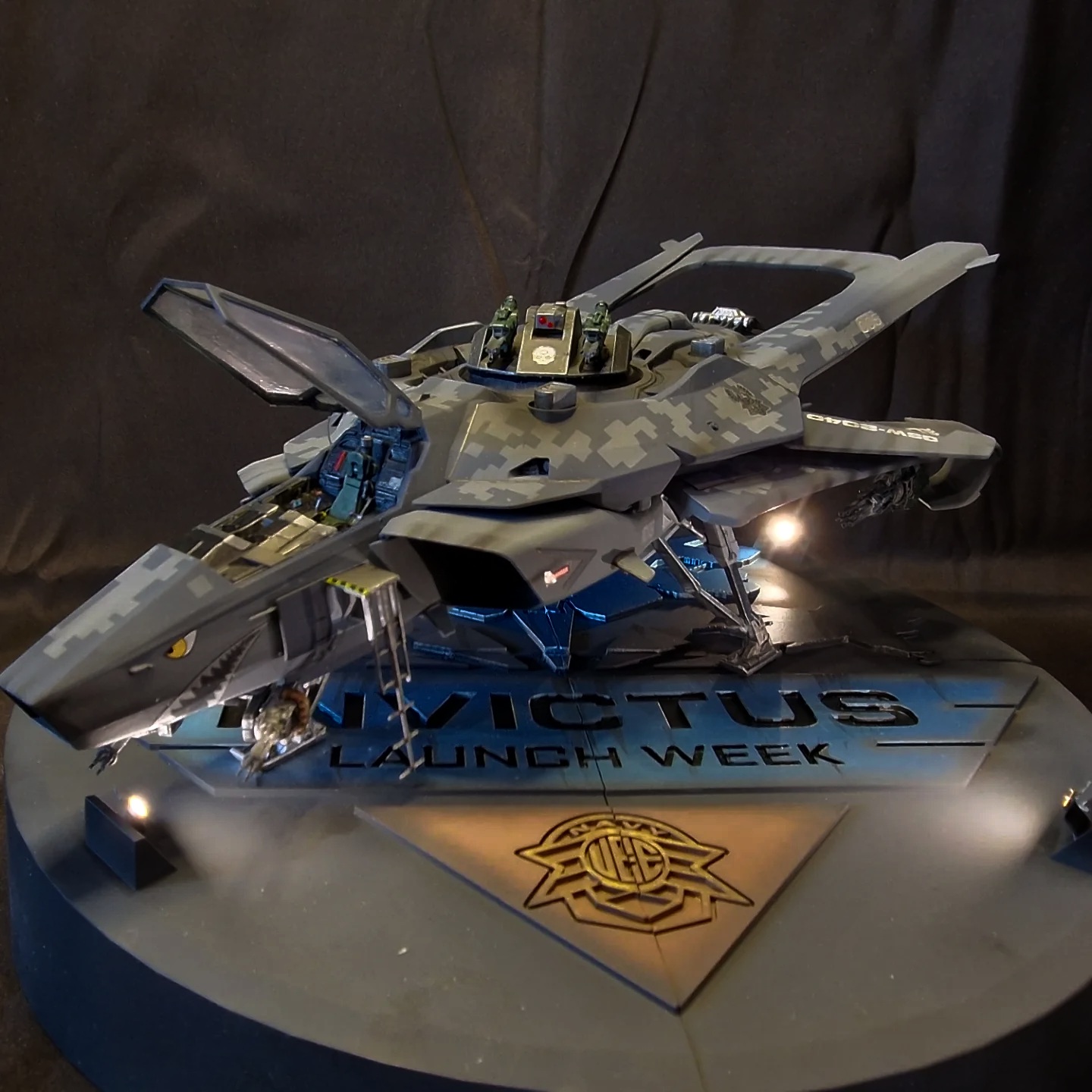
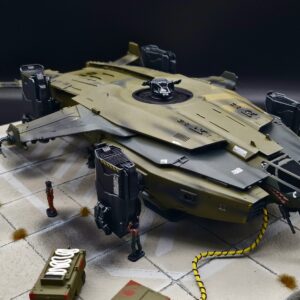
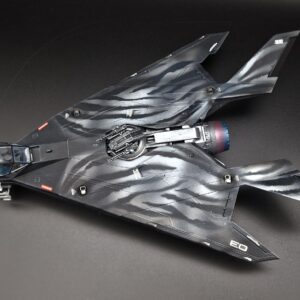
The lead photograph of this Polacus Workshop entry shows a green-and-white miniature with red accents. The workshop videos also show a gray pixel-camouflage finish on the same ship design. Together the images document the shape and paint treatments without suggesting that the two finishes are a single physical object. The archive also includes a separate Mk I Hornet.
Workshop videos