The RSI Meteor
The Meteor is a single-seat medium fighter from Roberts Space Industries. It combines a compact combat airframe with substantial forward armament and a small living area for its pilot. In Star Citizen, the Meteor is designed for rapid interception and powerful initial attacks, giving a lone operator a fighter that brings elements associated with several different ship classes into one spacecraft.
A new ship on an established chassis
The Meteor was developed using the chassis of the RSI Mantis, but it is a separate spacecraft with its own role. The Mantis is a quantum-enforcement vessel, recognizable by the equipment used to interrupt or prevent quantum travel. The Meteor uses the underlying design as the basis for a fighter and gives its pilot a different set of tools, concentrating on weapons and interception rather than a quantum enforcement device.
That relationship is visible in the way both ships organize their hull around a single pilot. It also connects two very different activities within the RSI range. A Mantis crew may work to stop another spacecraft from traveling at quantum speed, while a Meteor pilot is equipped to enter a combat encounter directly. Their shared starting point illustrates how an established airframe can lead to a new design when its intended job changes.
A medium fighter with heavy weapons
The Meteor carries two large dedicated ballistic cannons alongside smaller guns and missile equipment. The main weapons give the fighter a level of firepower associated with larger craft, while the other mounts provide options for different threats. Its intended opponents include heavy fighters and smaller multi-crew ships, though it can also engage lighter spacecraft.
The ship’s weapon arrangement is part of a series of tradeoffs. Its armament is substantial for a medium fighter, but the Meteor does not simply combine every strength of every class. Its protection and maneuvering characteristics call for a pilot to think carefully about the approach. The fighter emphasizes speed along a straight path and a forceful opening attack, rather than relying solely on the ability to absorb damage.
Ballistic weapons also form part of the ship’s operating character. Their ammunition and the power demands of the rest of the craft are considerations for a pilot preparing a mission. A successful encounter depends on positioning and timing as well as the number of weapons visible on the hull. The Meteor’s name suits its intended approach: a fast arrival and a concentrated strike before the pilot decides what comes next.
Space for the pilot
Unlike a fighter that consists almost entirely of a cockpit and combat systems, the Meteor includes living quarters. This gives its single pilot a place to rest during a longer period away from a landing facility. The interior remains compact and focused on one person, but it adds a practical dimension to a spacecraft whose exterior is dominated by combat equipment.
The Meteor does not have a dedicated cargo grid. Its interior is intended to support the pilot and the ship rather than function as a freight hold. Components can be accessed from inside, connecting the living space to the practical work of keeping the spacecraft operating. These details give the Meteor a different character from a short-range snub fighter that must be carried aboard another ship.
A place in the RSI lineup
Roberts Space Industries builds spacecraft for many roles in the setting. The Scorpius is a two-seat heavy fighter with a moving turret, while the Mantis specializes in quantum interdiction. The Meteor places a single pilot in a medium fighter built around speed and concentrated firepower. Comparing the three shows how the manufacturer’s designs adapt their hulls and equipment to different kinds of work.
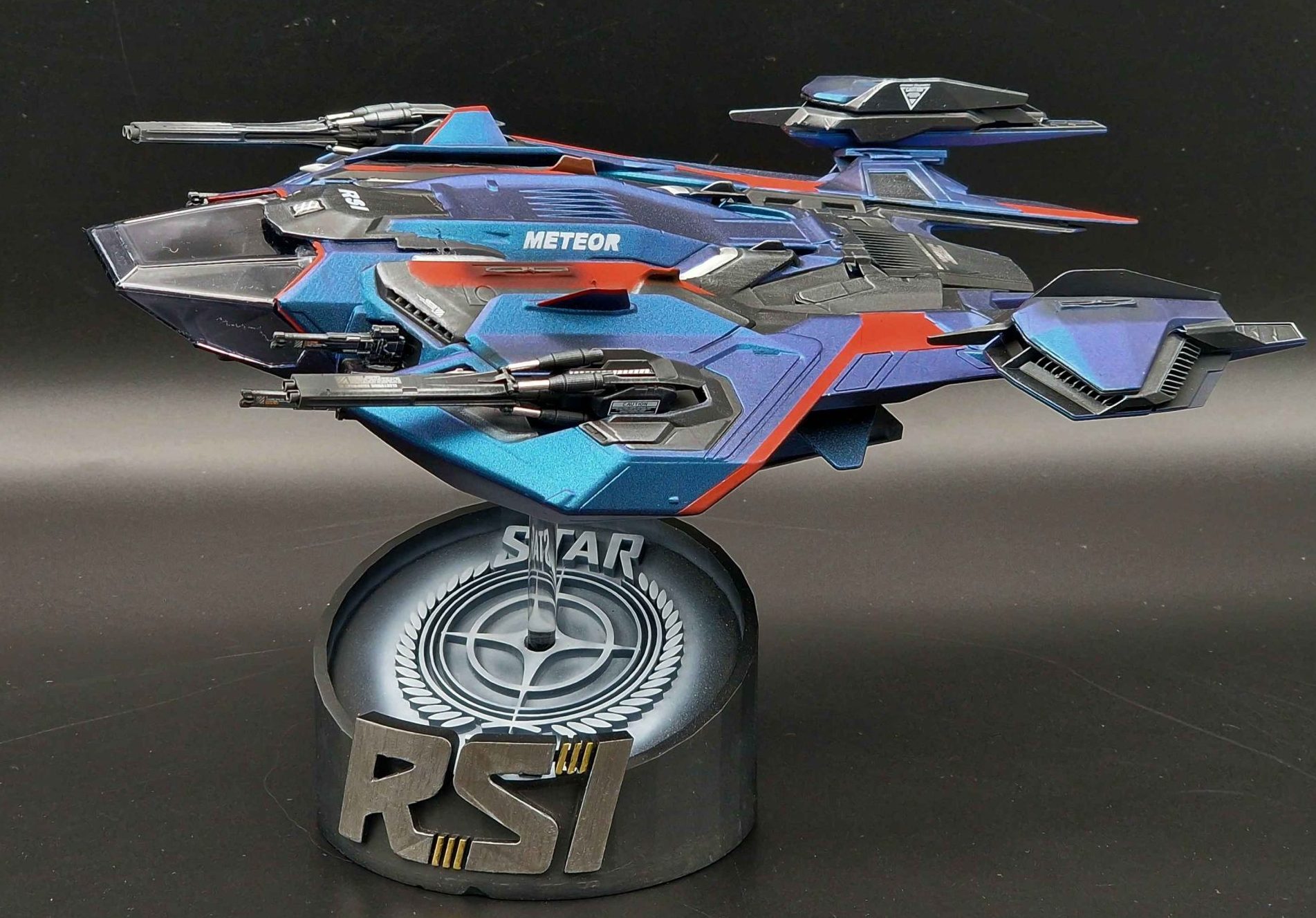
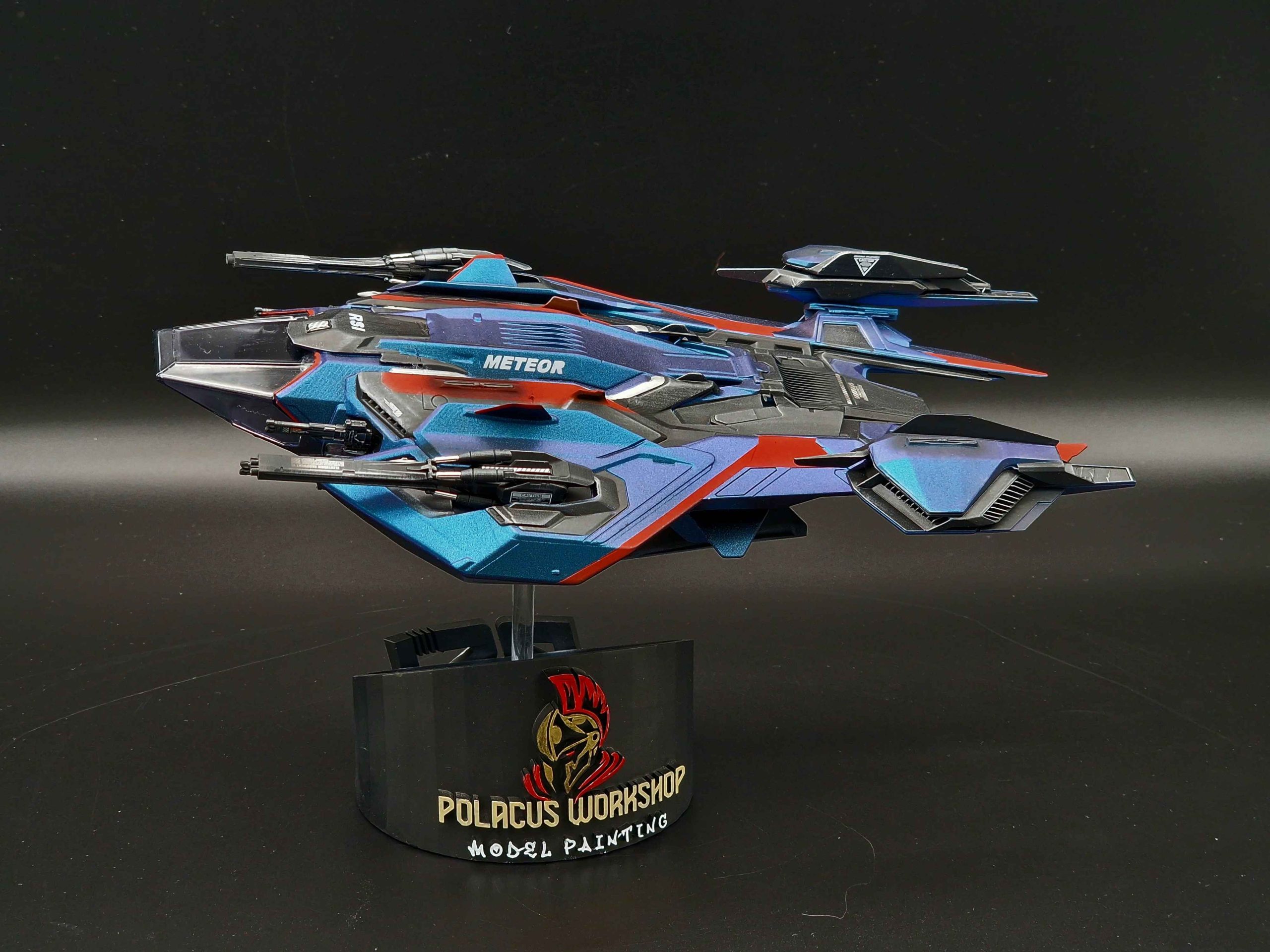
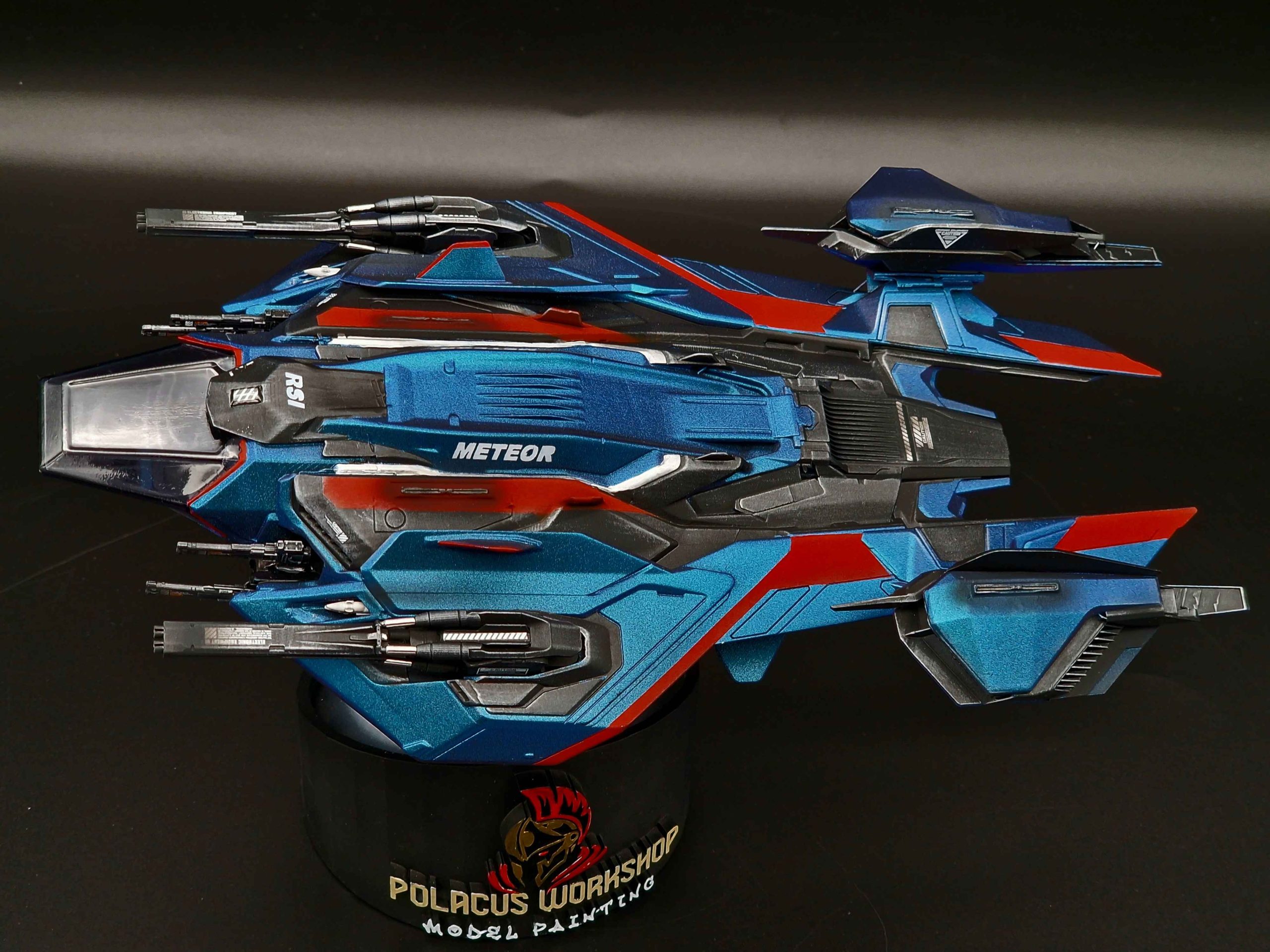
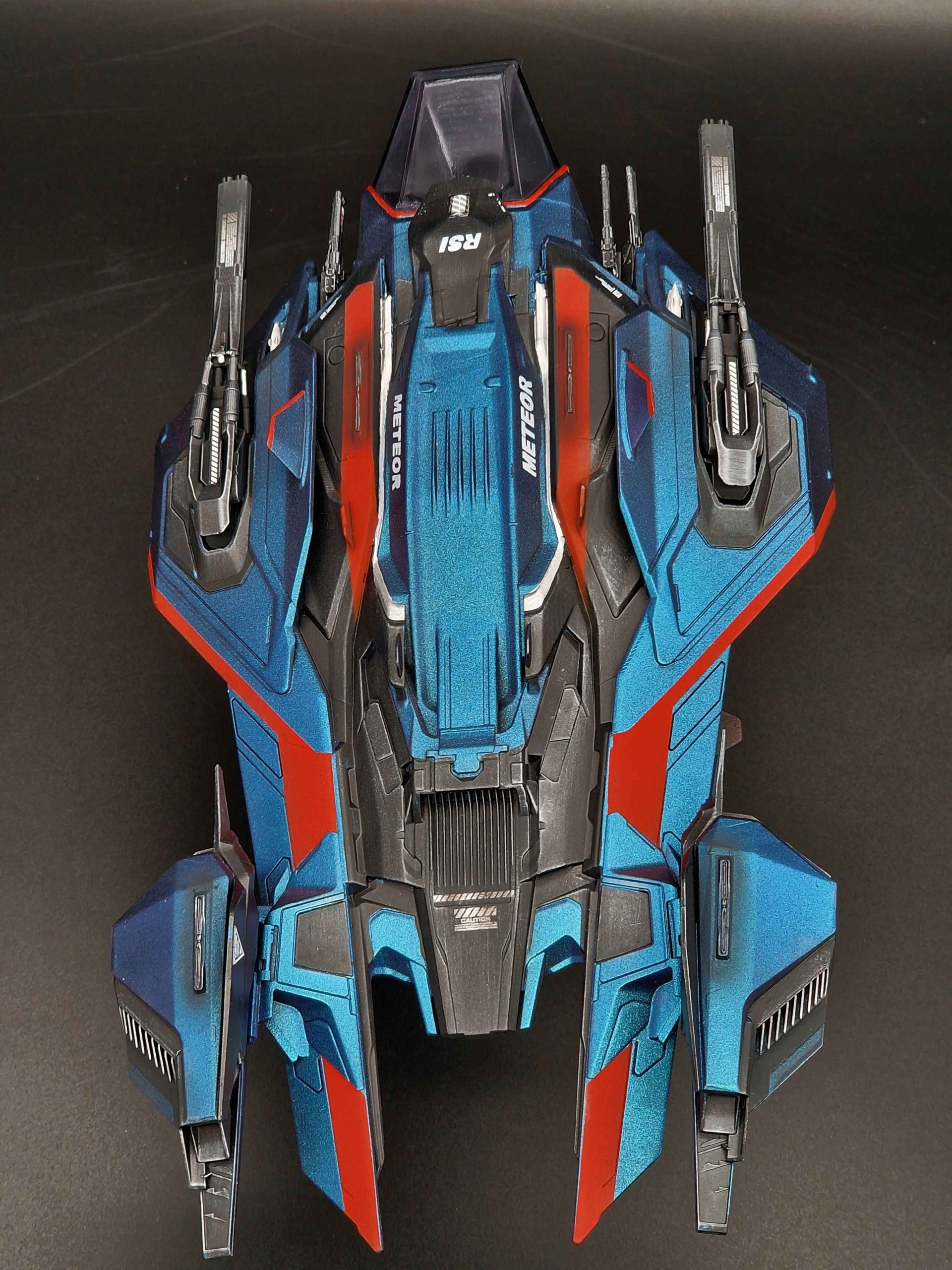
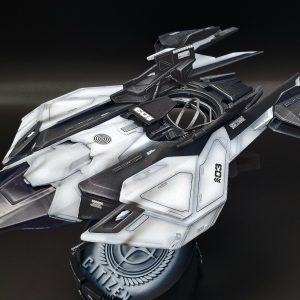
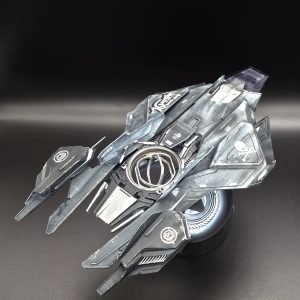
The workshop model
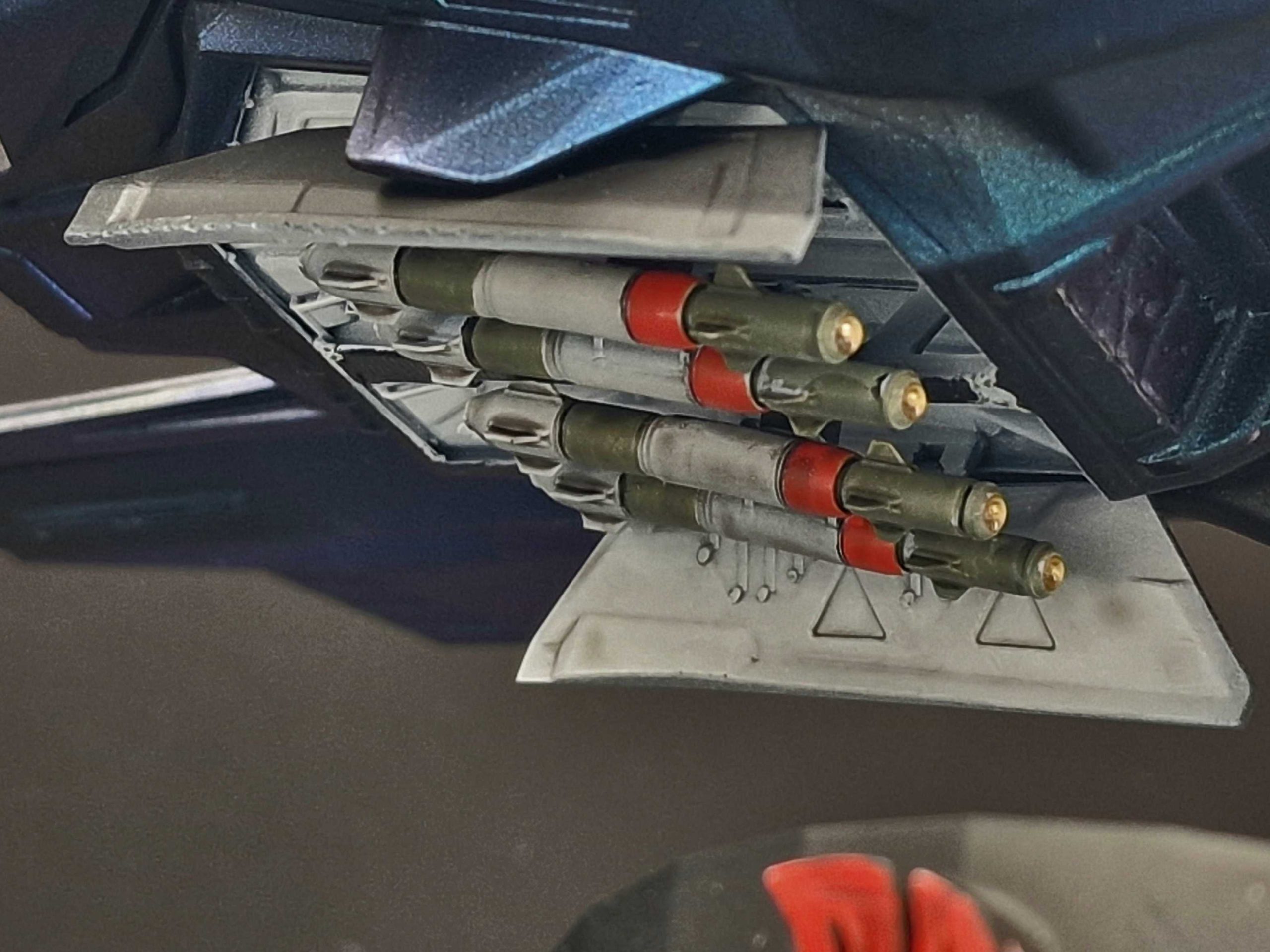
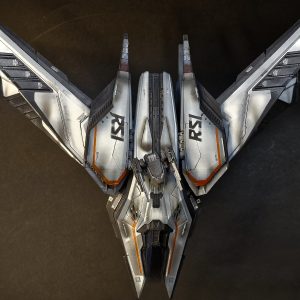
Polacus Workshop’s resin miniature records the Meteor in a dedicated photo gallery. The photographs show the painted finish, compact wings and central hull from several angles. They document this particular physical build and offer a close view of the proportions of RSI’s medium fighter.